







إضافة الذكاء الاصطناعي دون إخفاء القرارات
كيف ندمج الذكاء الاصطناعي في مسارات المستندات ويبقى المسؤولون متحكمين في النتيجة.

هذه الصفحة متاحة بالإنجليزية حاليًا.
Most businesses that ask us about AI don’t need a chatbot. They need a slow, repetitive step to take minutes instead of hours, without losing control of the outcome. In legal documents, that control is not optional.
AI prepares, a person decides
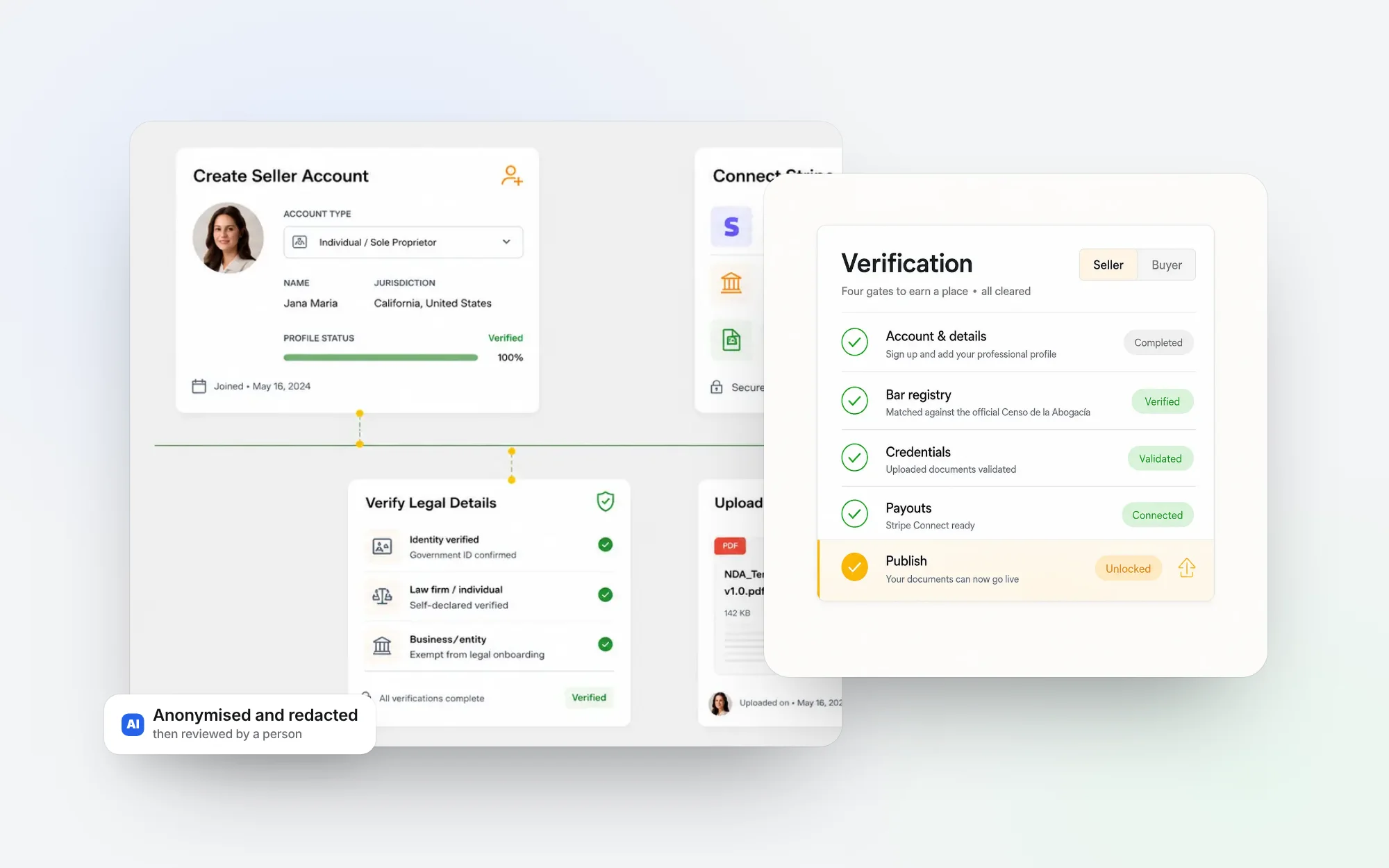
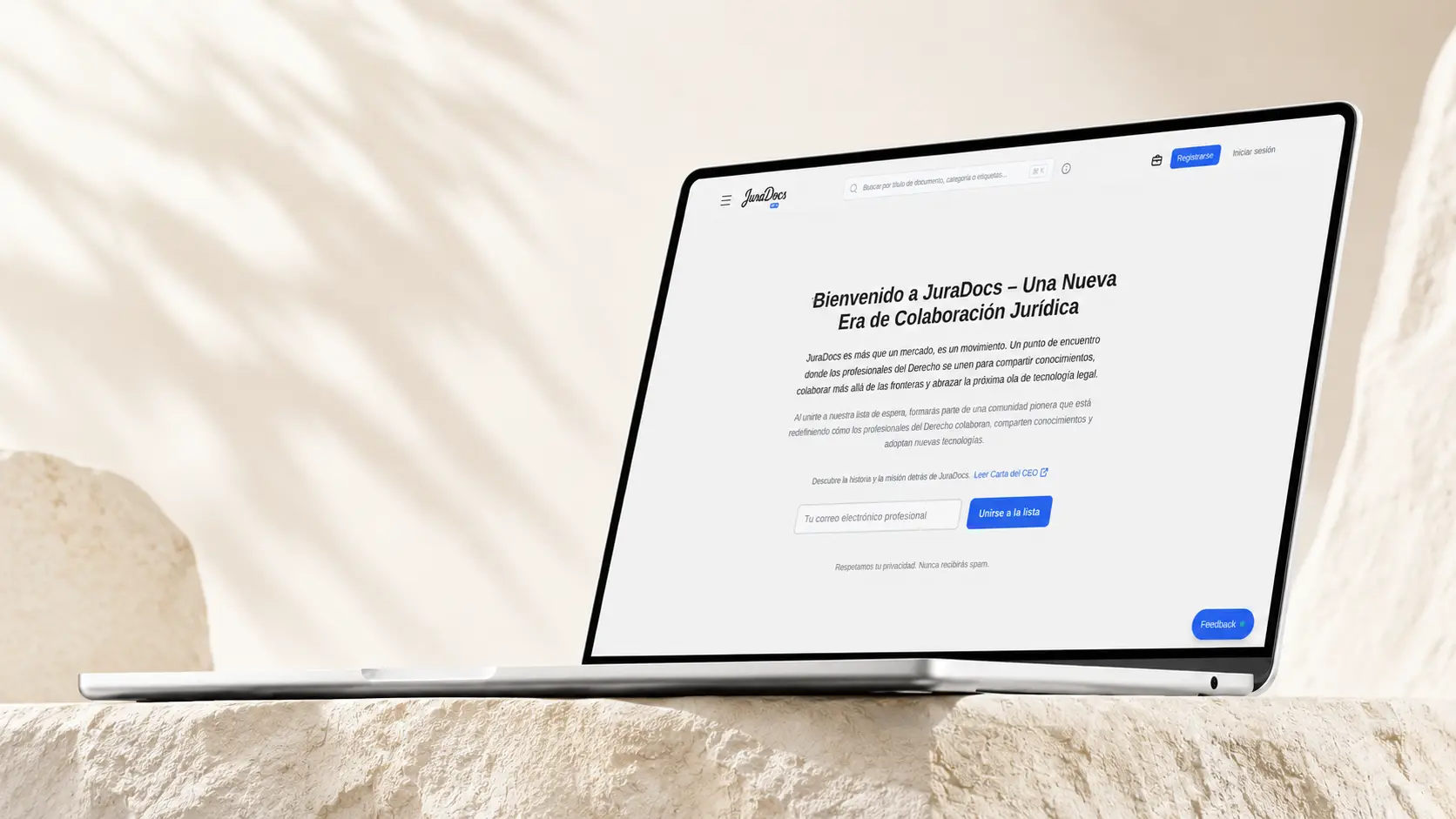
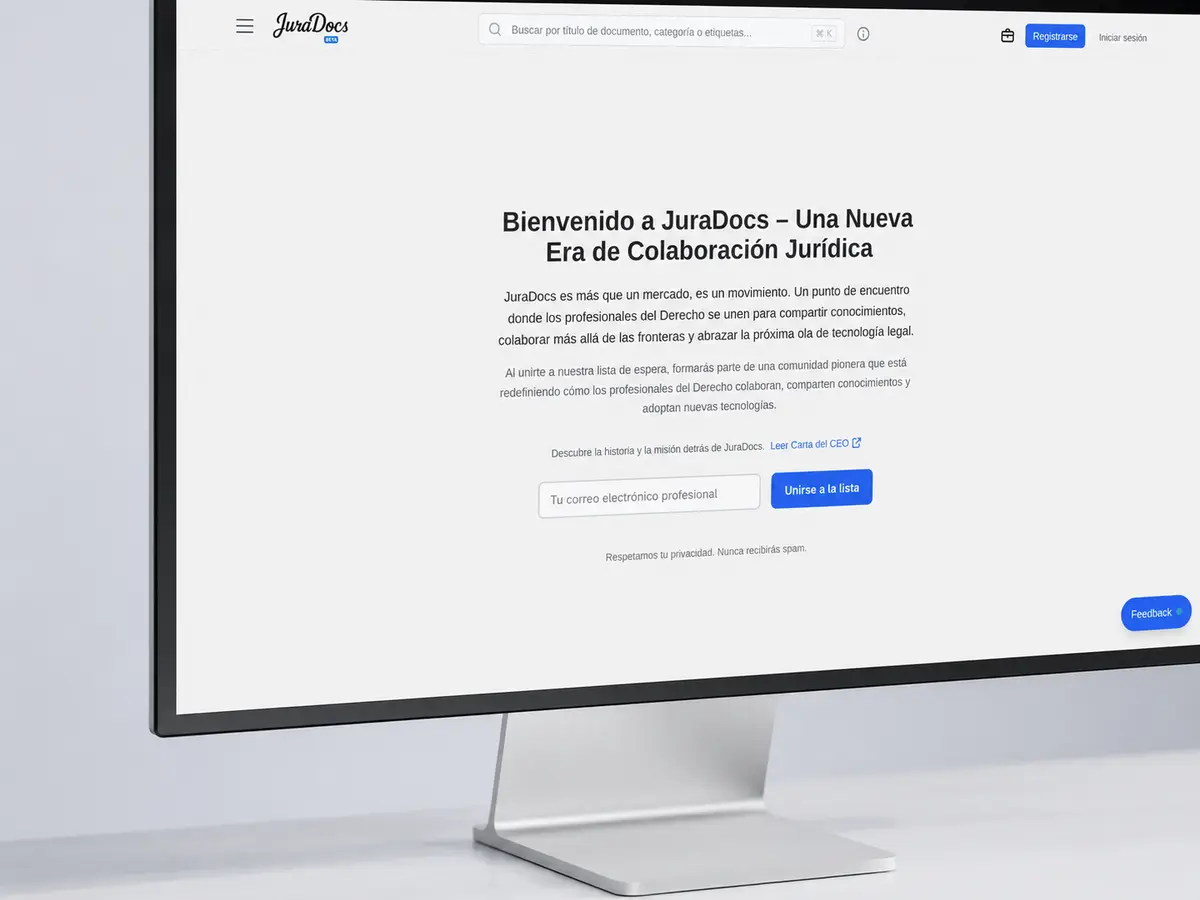
On JuraDocs, AI helps anonymise documents, redact sensitive details and draft structured metadata and summaries. None of it goes live on its own. Every document is reviewed by a person before publishing, and the reviewer sees what the AI changed, not just the final file.
Three rules we follow
Show the work. Every automated change is tracked: what was removed, where, and by which job. A reviewer can check it in seconds instead of re-reading the whole file.
Fail safely. If anonymisation or redaction fails, the document stays unpublished. A missing step can never turn into a leaked name.
Keep the model replaceable. Models and providers change every few months. We keep prompts, model choice and configuration outside the business logic, so switching costs a deploy, not a rewrite.
Where AI fits, and where it doesn’t
AI is good at first drafts, extraction, classification and summaries. It is not the right owner of a final decision about a client, a payment or a legal file. We design for that split from the start, and the result is a feature people actually trust enough to use.
If you are thinking about AI in your own workflow, start with the step your team repeats most, and ask who should sign off on the result. That answer decides the design.