Quadibyte
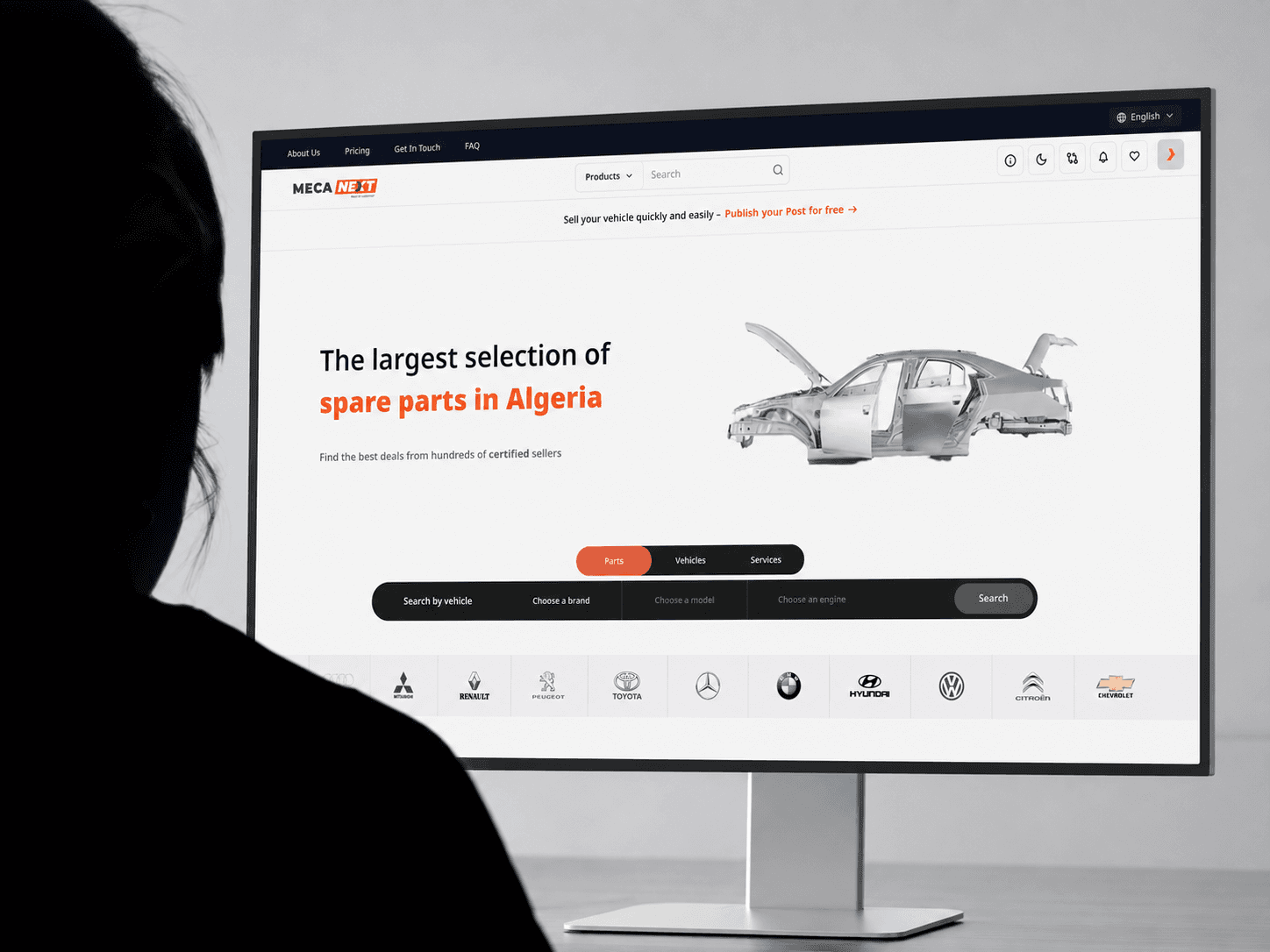
MecaNext interface

Turning Algeria's automotive trade into a governed multi-category marketplace.

MecaNext had to organize a market that normally moves through garages, phone calls, classifieds, and trust built offline. Instead of a simple listings site, the product connects parts, services, vehicles, shops, subscriptions, orders, delivery assignment, and admin review into one marketplace built around how Algerian buyers actually search.

QuadiByte worked across the React storefront, seller workspace, admin system, and Laravel API: marketplace routes, role-based workspaces, searchable catalogs, seller onboarding, shop subscriptions, product/service/vehicle approval, orders, Paypart flows, delivery-provider adapters, notifications, and localization.

The hard part was not listing parts online. Buyers search by vehicle fit, location, price, condition, stock, shop trust, and service availability. Sellers need to manage inventory, subscriptions, delivery credentials, reservations, conversations, and order status. Operators need approval and config controls so the marketplace does not become an ungoverned classified board.

Key outcomes

  • 01A single marketplace model covering products, services, cars, boats, machines, shops, offers, and vehicle fitment data
  • 02Search that combines text, category, brand, vehicle compatibility, price, stock, rating, and shop-location radius filters
  • 03Role-based operations for clients, sellers, secretaries, and admins, including approval queues and dashboard metrics
  • 04Seller workflows for shop creation, subscriptions, product import, restock, promotions, services, schedules, reservations, orders, and shipment assignment
  • 05Delivery-provider architecture for Yalitec, Yalidine, Guepex, Noest, and Abex
  • 06Trilingual buyer and seller experience across Arabic, French, and English

Catalog, seller operations, admin governance, and delivery had to behave like one marketplace.

01

MecaNext could not be a prettier classifieds board.

Algeria's automotive trade already had informal discovery: phone calls, garage relationships, scattered listings, and offline trust. The product needed to turn that behavior into a governed market where shops, services, vehicles, subscriptions, orders, and approvals could live together.

02

Automotive discovery is more specific than keyword search.

A buyer may search by part, brand, model, motorisation, stock, condition, price, rating, shop location, or service availability. The platform had to support that intent without splitting parts, services, cars, boats, and machines into separate products.

03

The operating layer mattered as much as the storefront.

Sellers needed subscriptions, imports, restock, offers, reservations, delivery settings, inboxes, and order handling. Admins and secretaries needed approval queues, reports, catalog controls, user management, delivery-company setup, and configuration screens.

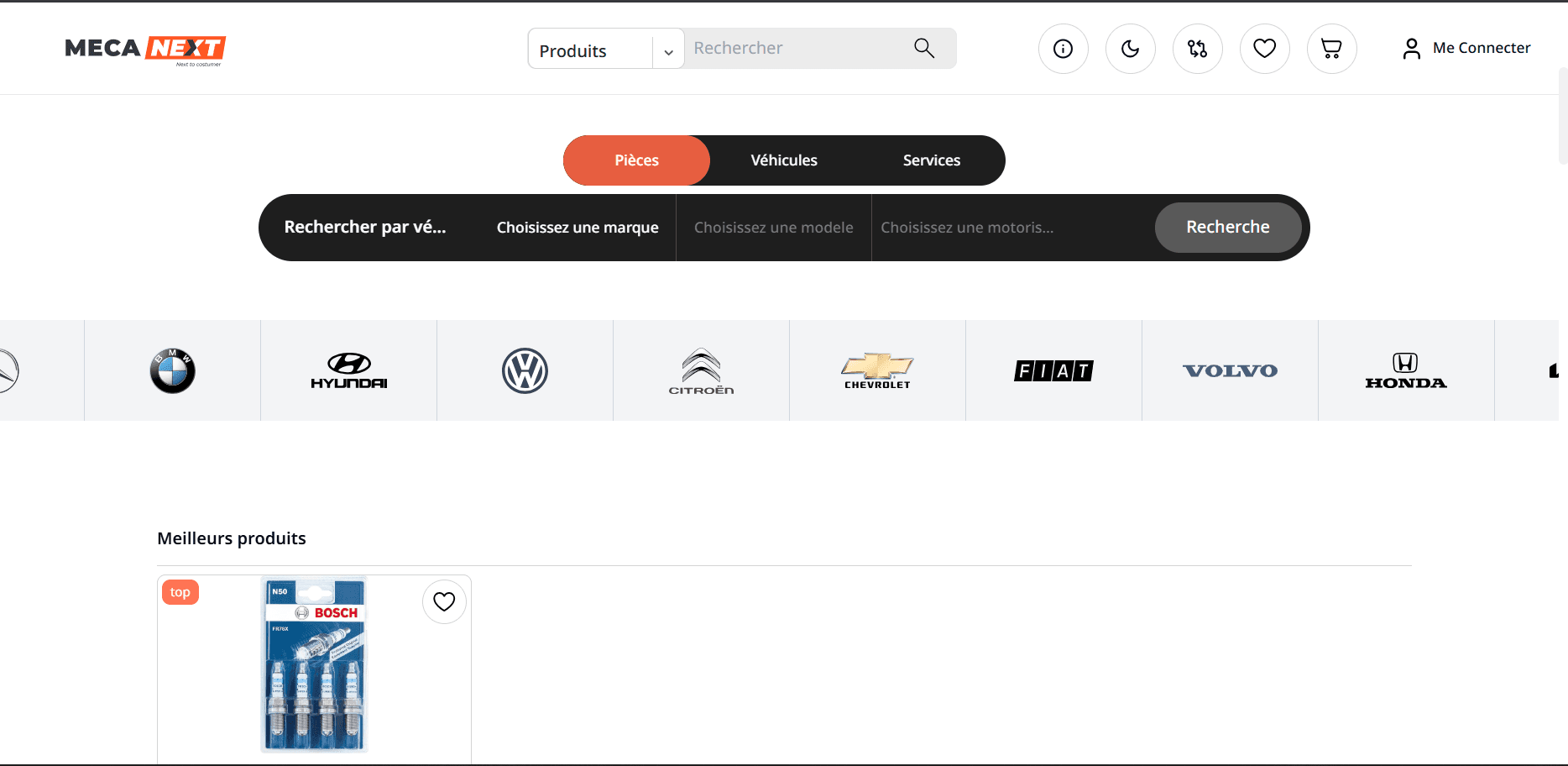
MecaNext marketplace catalog and discovery interface

01 / Catalog architecture

Turning automotive variety into a searchable product model.

MecaNext brings several automotive objects into one buying surface: products, services, cars, boats, machines, shops, offers, brands, models, motorisations, categories, and seller records.

The hard work was making that variety searchable without flattening it. Product search, service search, vehicle fitment, shop-location radius, stock, price, condition, rating, and category filters all needed to cooperate so buyers could search the way they already think.

  • Search across products, services, cars, boats, and machines
  • Vehicle compatibility, category, brand, model, price, stock, condition, rating, and location filters
  • Shared marketplace surface without treating every listing type as the same object
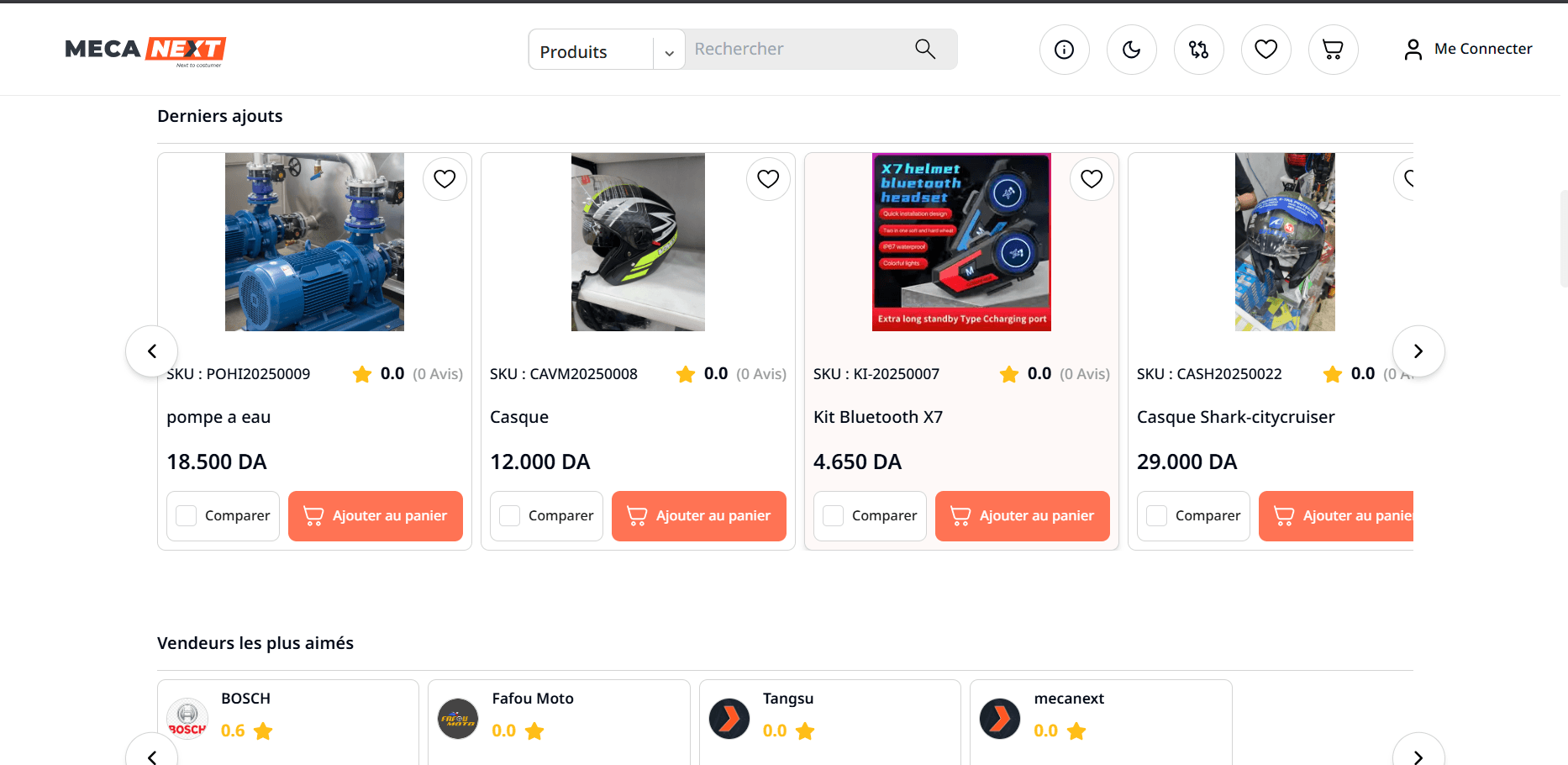
MecaNext seller and admin workspace interface

02 / Seller and admin operations

The marketplace needed an operating system behind the public catalog.

The public marketplace only works if the back office can keep it clean. MecaNext includes seller onboarding, shop creation, subscriptions, product import, restock, promotions, service schedules, reservations, inboxes, and delivery settings.

Admin and secretary workflows give the business control over users, seller submissions, product and service approvals, vehicle listings, reports, subscriptions, delivery companies, and catalog configuration. That is what keeps the product from becoming unmanaged listings at scale.

  • Client, seller, secretary, and admin role surfaces
  • Approval queues for sellers, products, services, and vehicles
  • Dashboards, reports, subscription verification, catalog configuration, and user controls
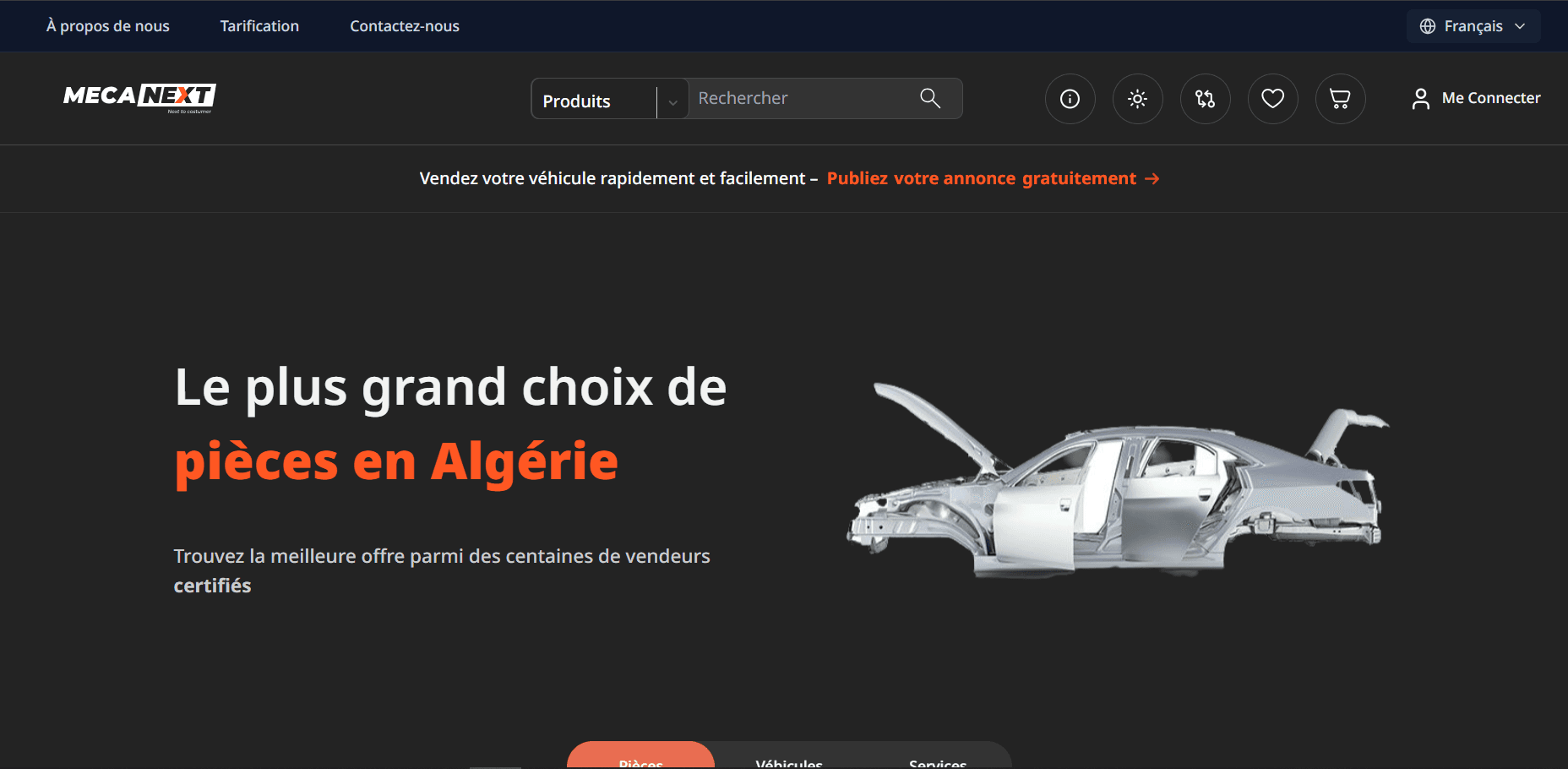
MecaNext order and logistics interface

03 / Commerce and logistics

Orders, stock, payments, and delivery had to stay connected.

MecaNext's commerce layer ties operational work to real marketplace events. Orders are grouped by shop, stock is checked and decremented transactionally, promotions are applied before order creation, and stock movement is recorded so the seller view does not drift from buyer reality.

Delivery is provider-aware rather than bolted on later. Seller credentials are checked, shipments can be created against provider-specific APIs, and tracking, cancellation, and ready-for-dispatch states are handled where the connected provider supports them.

  • Paypart-backed payment/account flows
  • Delivery adapters for Yalitec, Yalidine, Guepex, Noest, and Abex
  • Shop-grouped orders, transactional stock changes, shipment assignment, and tracking states
Market & Role Mapping
Catalog, Search & Data Model
Seller/Admin Workspaces
Orders, Delivery & Payments
Localization & Hardening

Market & Architecture

The first phase translated the local automotive trade into product boundaries: what buyers search for, what sellers need to manage, which listings require approval, and how shops, services, vehicles, orders, subscriptions, delivery credentials, and messages relate.

The goal was a marketplace that could handle real operational variance without splitting into disconnected apps for parts, services, vehicles, and seller administration.

Platform Build

The build connected the React storefront and dashboards to a Laravel API with role-based routes, searchable catalogs, shop subscriptions, product imports, service reservations, user management, notifications, reports, and configuration screens.

Search became a core system rather than a page: product and service filters, vehicle compatibility, shop-location radius, stock, rating, condition, category, brand, model, and price all had to work together.

Operations & Hardening

After the marketplace surface existed, the work moved into operational systems: admin statistics, user-detail dashboards, seller order tables, registration and upload fixes, subscription verification, deletion controls, delivery-provider behavior, and complete localization coverage.

That ongoing hardening is part of the case study. MecaNext is not just a public catalog; it is a governed marketplace platform with seller, buyer, admin, secretary, payment, delivery, and support workflows evolving together.

MecaNext marketplace interface
Next project
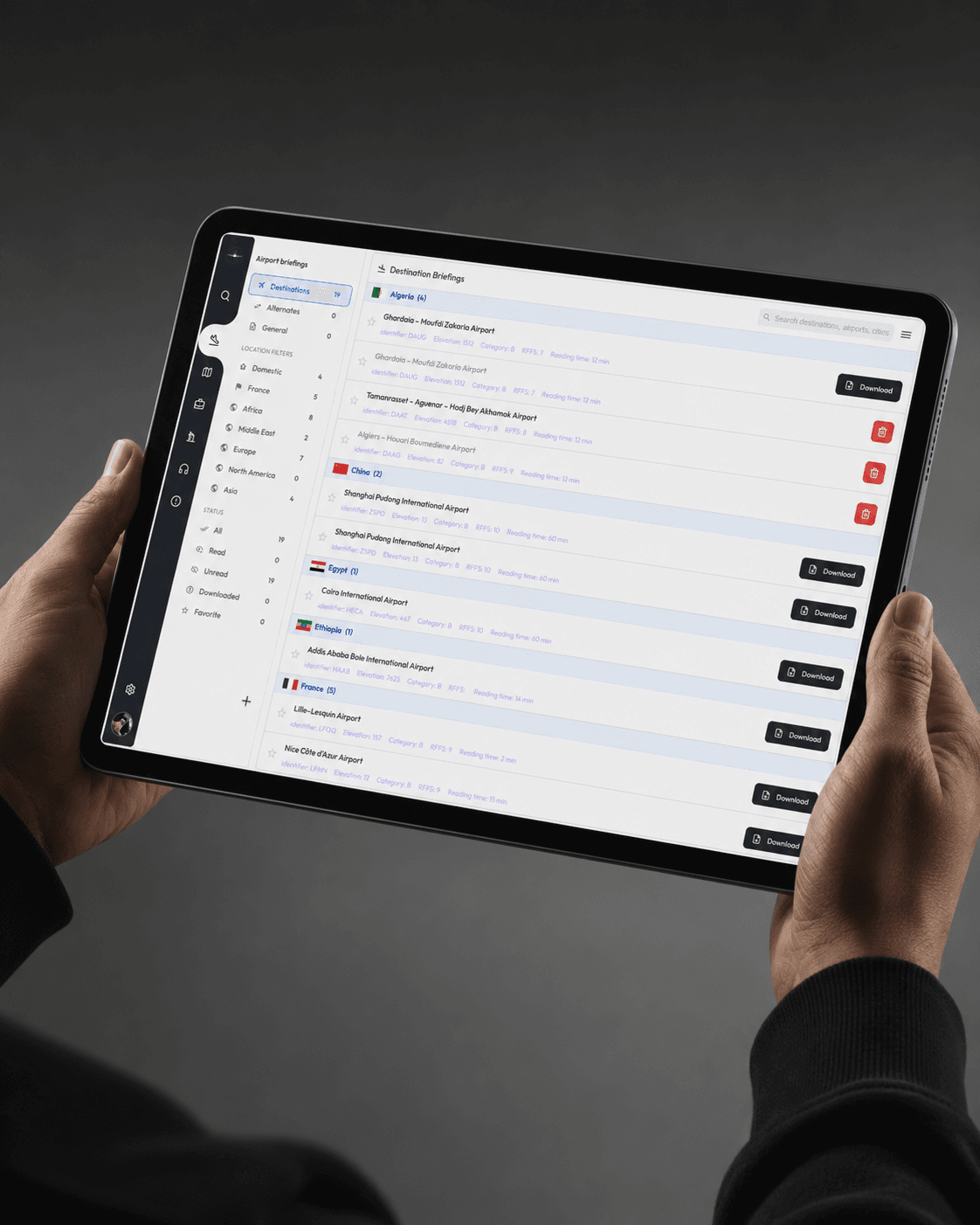
Aviation briefing infrastructure for crews, editors, reviewers, and airline operators.

Have a workflow like this?

Share the rough version and we will help identify the first useful build, the same way we approached this project.

Send the rough version